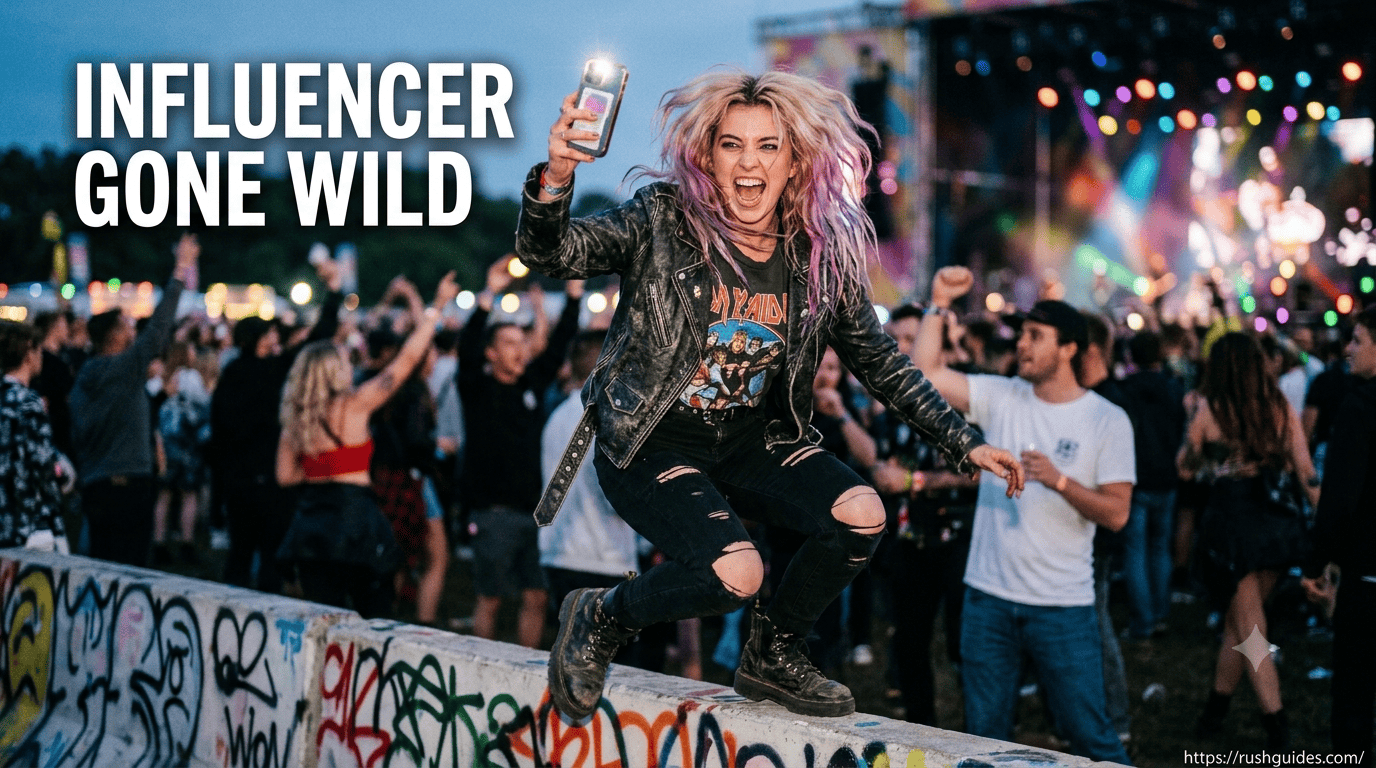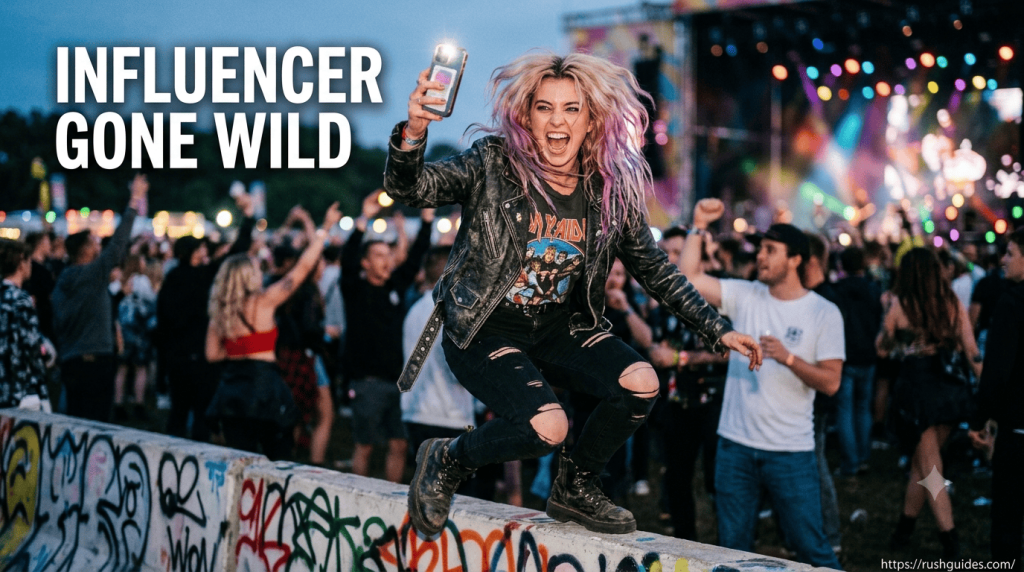
You scroll through your feed and suddenly one post stops you cold. An influencer you followed for years just posted something unhinged, got caught in a massive lie, or faced accusations that changed everything. These influencer gone wild moments happen more often than you think. They reveal the pressure cooker of constant content creation, where one bad decision can tank a career built over years.
The term “influencer gone wild” captures everything from cringy stunts to serious legal trouble. Platforms reward engagement, so creators push boundaries. Sometimes they cross them. This piece looks at real cases, why they happen, and what you can learn from the chaos.
What “Influencer Gone Wild” Really Means
Influencers gone wild usually means creators who act out in ways that shock their audience. It covers outrageous pranks, public meltdowns, offensive content, or behavior that leads to backlash and lost sponsorships. Some chase virality at any cost. Others crack under the pressure of maintaining a perfect image while dealing with real-life stress.
The attention economy plays a big role. Algorithms push extreme content. Followers demand constant entertainment. Brands pay for reach. When the incentives line up this way, some creators lose perspective fast.
Colleen Ballinger: The Ukulele Response That Made It Worse
Colleen Ballinger built a massive following through her Miranda Sings character. In 2023, former fans accused her of inappropriate relationships with underage supporters, including grooming claims. Details included private messages and boundary issues that spanned years.
Her response? A ukulele song on YouTube where she called the accusations “toxic gossip” and denied being a groomer. The video backfired spectacularly. It racked up millions of views but drew widespread criticism for minimizing serious concerns. She canceled tour dates and largely stepped back from major content creation. As of 2026, she continues vlogging sporadically but never fully recovered her previous level of mainstream appeal.
This case shows how tone-deaf responses amplify damage. Fans expect accountability, not deflection through performance.
Andrew Tate: From Kickboxing Champ to Ongoing Legal Battles
Andrew Tate and his brother Tristan represent one of the most polarizing influencer gone wild stories. The former kickboxer built a huge following promoting hyper-masculine views and wealth displays. His content resonated with young men seeking direction but drew heavy criticism for misogyny.
In 2026, the brothers faced new UK charges including rape and sex trafficking after arrest in Miami. UK prosecutors seek extradition amid dozens of allegations. The Tates deny all claims and continue fighting legal proceedings. Earlier Romanian cases also involved human trafficking accusations.
Tate’s story highlights how controversial personas can build massive platforms while attracting intense scrutiny. His influence persists among dedicated followers despite platform bans and legal issues.
Other Notable Influencer Gone Wild Moments
- Jake Paul: The YouTuber-turned-boxer made headlines for wild parties during the pandemic and controversial business moves. His shift to boxing brought legitimate success but kept him in the spotlight for antics.
- Rachel Hollis: The self-help author faced backlash after insensitive comments about her housekeeper went viral. It highlighted the disconnect between public brand and private behavior.
- Arielle Charnas: During early COVID-19, the fashion influencer announced quarantine then reportedly traveled to the Hamptons with family and staff, drawing criticism for mixed messaging.
Recent 2025-2026 examples include TikTok creators dealing with resurfaced videos or public doxxing incidents that spiraled quickly. One fitness influencer faced heat for a gym-related family video that resurfaced tragically.
Why Do Influencers Go Wild?
Several factors contribute:
Pressure for Content: Posting daily or multiple times a day leads to burnout. Creators chase novelty, which sometimes means poor decisions.
Echo Chambers: Surrounded by yes-people and algorithm success metrics, perspective gets lost.
Monetization Incentives: Platforms and brands reward high engagement. Outrage and shock often deliver that better than steady, quality content.
Lack of Oversight: Unlike traditional celebrities with teams, many solo creators handle everything themselves until it gets too big.
Mental Health Strain: Constant comparison, hate comments, and public persona maintenance take a toll. Some crack publicly.
The Business and Cultural Impact
Brands drop influencers fast when scandals hit. Recovery depends on severity, response, and audience loyalty. Some creators pivot to new platforms or rebrand successfully. Others fade away.
For you as a consumer, these stories offer reminders to consume critically. Not every polished feed reflects reality. Diversify your following. Support creators who show consistency over time rather than chasing every trend.
Influencer culture also reflects broader society. We reward authenticity until it gets messy, then punish harshly. The line between entertainment and exploitation blurs easily online.
Lessons You Can Apply
Watch how creators handle mistakes. Genuine apologies and changes matter more than polished videos. Consider your own social media use. Do you chase validation the same way some influencers do?
If you create content, set personal boundaries early. Build systems that protect your mental health and ethics before growth forces tough choices.
The influencer gone wild phenomenon isn’t going away. New platforms and tools will create fresh opportunities for both success and spectacular failure. Stay aware as a viewer and thoughtful if you step into the creator world yourself.
Read More About: IMY Mean